Internal Medicine
Parenteral anticoagulants—unfractionated and low-molecular-weight heparin—primarily are used to prevent and treat VTE (deep vein thrombosis [DVT] and pulmonary embolism [PE]) associated with medical conditions…
A medication dosage simulation strategy to improve patient safety
Simulation boosts skills and encourages active learning. Takeaways: Traditional medication administration dosage testing can be time-consuming, costly, and lack elements of active learning. Simulation…
Myths of I.V. push administration
Learn the truth about safe administration. Many myths abound about I.V. push medications. To dispel these myths and outline evidence-based standards of practice, American…
Initial assessment and management of burn patients
In 2016, more than 200,000 people in the United States were hospitalized with injuries from smoke, fire, or flame exposure; more than 6,000 died.…
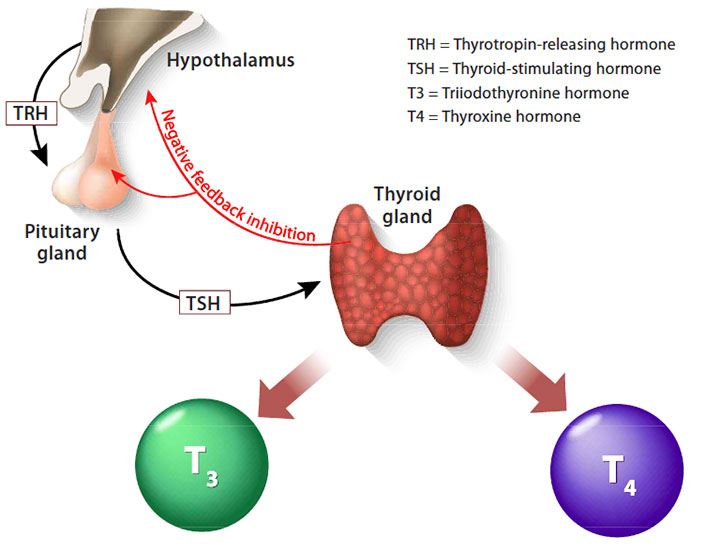
Hypothyroidism and nursing care
Hypothyroidism, also known as myxedema, is second to diabetes mellitus as the most common endocrine disorder in the United States. It’s six times more…
Concussion: Prevention, assessment, and management
Concussion, a subset of mild traumatic brain injury, can lead to long-term effects, including chronic traumatic encephalopathy. (See Concussion’s impact.) The Centers for Disease…
Community-acquired pneumonia
Community-acquired Pneumonia (CAP) is exactly what it sounds like—a lung infection acquired while out and about in the world. The cause may be a…
A guide for adhesive removal: Principles, practice, and products
All nurses have struggled with removing pressure sensitive adhesives (PSAs)—medical tape, plastic bandages, wound dressings—from fragile skin, next to healing wounds, or from sites…
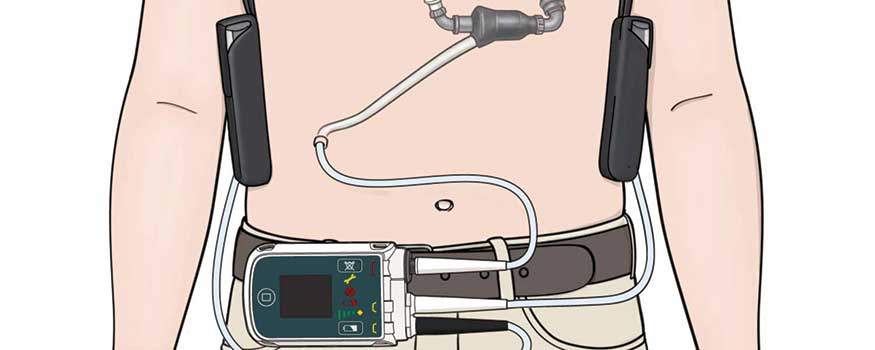
Caring for patients with a left ventricular assist device
Nearly 6 million Americans suffer from heart failure (HF). The American Heart Association predicts that the number of individuals diagnosed with HF will increase 46% by…
Physician and nurse engagement: From concept to collaboration
In today’s complex healthcare environment, it’s crucial for all members of the healthcare team to work together in a collaborative, collegial manner in an…
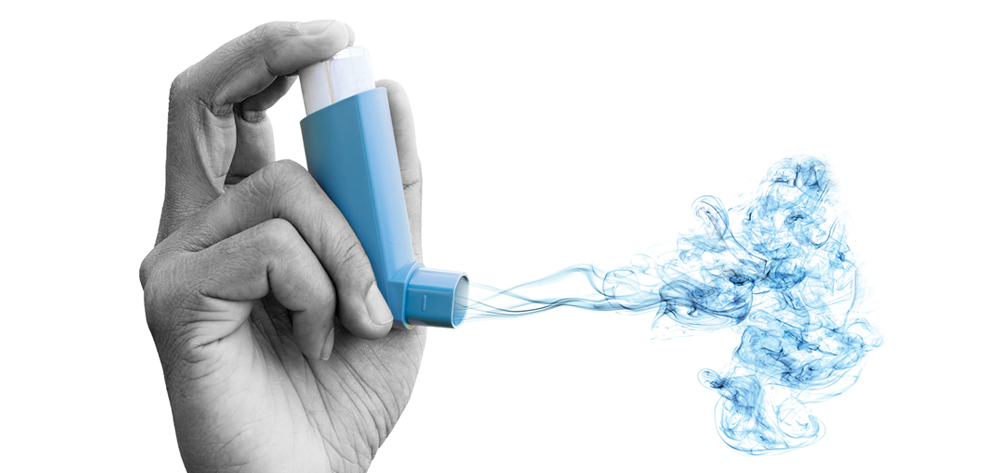
Understanding asthma pathophysiology, diagnosis, and management
A chronic inflammatory airway disorder, asthma is marked by airway hyperresponsiveness with recurrent episodes of wheezing, coughing, tightness of the chest, and shortness of…
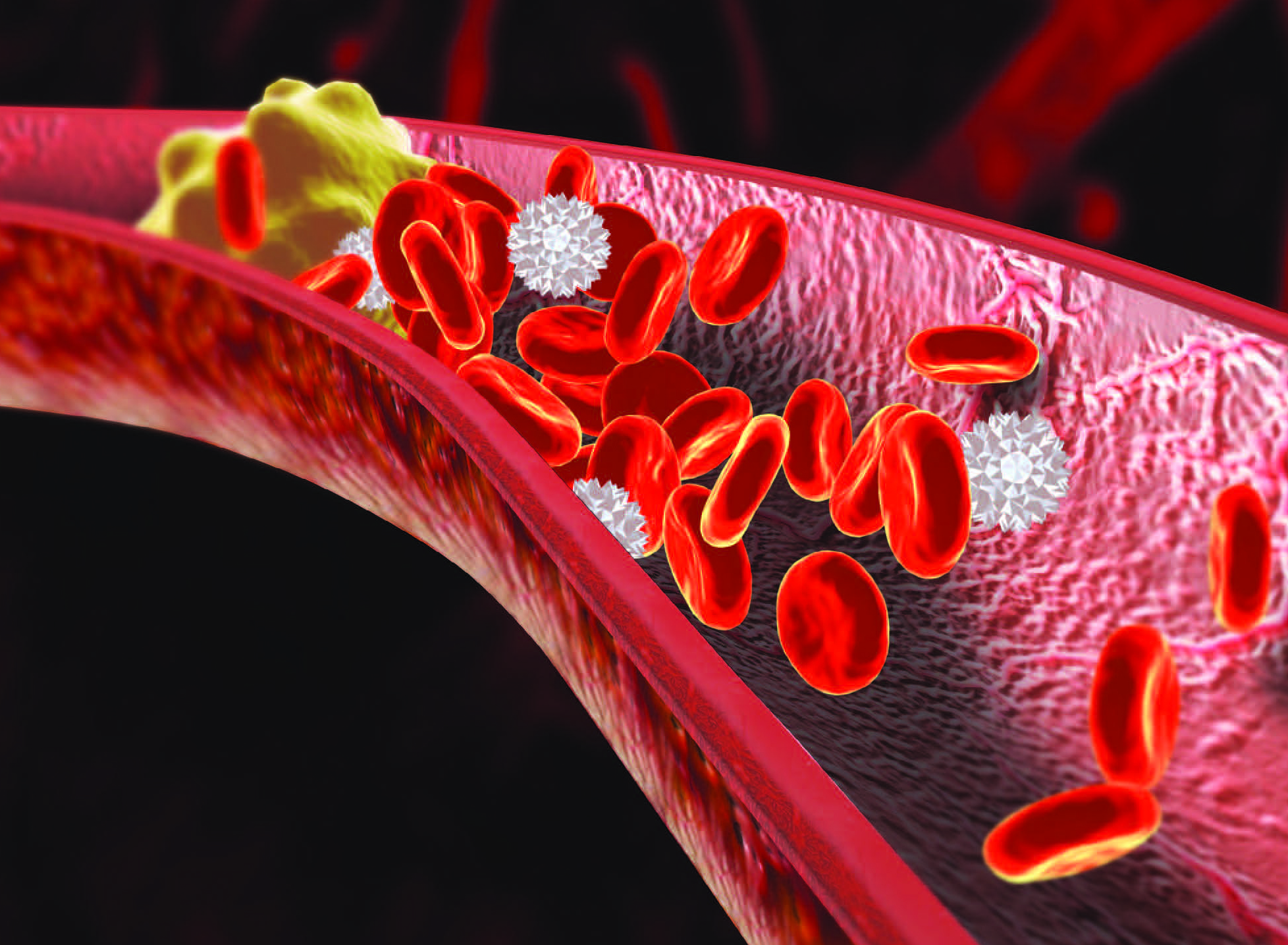
Promoting safe use of parenteral anticoagulants
Parenteral anticoagulants—unfractionated and low-molecular-weight heparin—primarily are used to prevent and treat VTE (deep vein thrombosis [DVT] and pulmonary embolism [PE]) associated with…
A medication dosage simulation strategy to improve patient safety
Simulation boosts skills and encourages active learning. Takeaways: Traditional medication administration dosage testing can be time-consuming, costly, and lack elements of active…
Myths of I.V. push administration
Learn the truth about safe administration. Many myths abound about I.V. push medications. To dispel these myths and outline evidence-based standards of…
Initial assessment and management of burn patients
In 2016, more than 200,000 people in the United States were hospitalized with injuries from smoke, fire, or flame exposure; more than…
Hypothyroidism and nursing care
Hypothyroidism, also known as myxedema, is second to diabetes mellitus as the most common endocrine disorder in the United States. It’s six…
Concussion: Prevention, assessment, and management
Concussion, a subset of mild traumatic brain injury, can lead to long-term effects, including chronic traumatic encephalopathy. (See Concussion’s impact.) The Centers…
Community-acquired pneumonia
Community-acquired Pneumonia (CAP) is exactly what it sounds like—a lung infection acquired while out and about in the world. The cause may…
A guide for adhesive removal: Principles, practice, and products
All nurses have struggled with removing pressure sensitive adhesives (PSAs)—medical tape, plastic bandages, wound dressings—from fragile skin, next to healing wounds, or…
Caring for patients with a left ventricular assist device
Nearly 6 million Americans suffer from heart failure (HF). The American Heart Association predicts that the number of individuals diagnosed with HF will increase…
Physician and nurse engagement: From concept to collaboration
In today’s complex healthcare environment, it’s crucial for all members of the healthcare team to work together in a collaborative, collegial manner…
Understanding asthma pathophysiology, diagnosis, and management
A chronic inflammatory airway disorder, asthma is marked by airway hyperresponsiveness with recurrent episodes of wheezing, coughing, tightness of the chest, and…
Poll


NurseLine Newsletter
*By submitting your e-mail, you are opting in to receiving information from Healthcom Media and Affiliates. The details, including your email address/mobile number, may be used to keep you informed about future products and services.