Nursing Education
Cardiac resynchronization therapy (CRT) can help reduce readmissions in patients with heart failure (HF). It uses an implanted cardiac device to boost the heart’s…
Secondary prevention of stroke
Every 40 seconds, a stroke occurs in the United States. This translates to approximately 795,000 strokes annually; of these, about 25% are recurrent strokes.…
Conversations to inspire and promote a more civil workplace
“I believe we can change the world if we start listening to one another again. Simple, honest, human conversation…a chance to speak, feel heard,…
Managing delirium in hospitalized older adults
Lawrence Jeffries, age 78, is admitted to the hospital for an arthroplasty of the left hip. A retired roofer, he lives with his wife…
Preventing medication errors by empowering patients
Preventable medication errors cost the U.S. healthcare system more than $21 billion annually, according to the National Priorities Partnership and National Quality Forum. This…
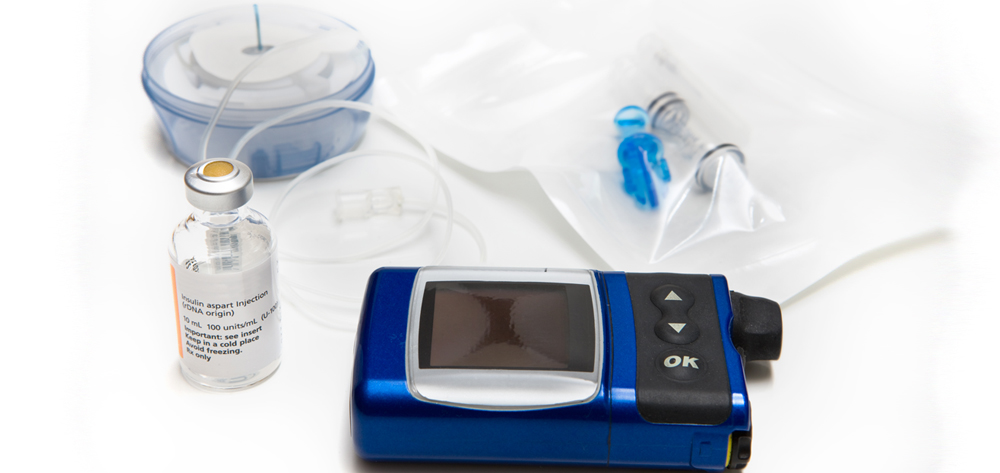
Boost your confidence in caring for patients with insulin pumps
Beth T, age 42, is a Caucasian female with a 32-year history of type 1 diabetes and a 15-year history of Crohn’s disease. For the…
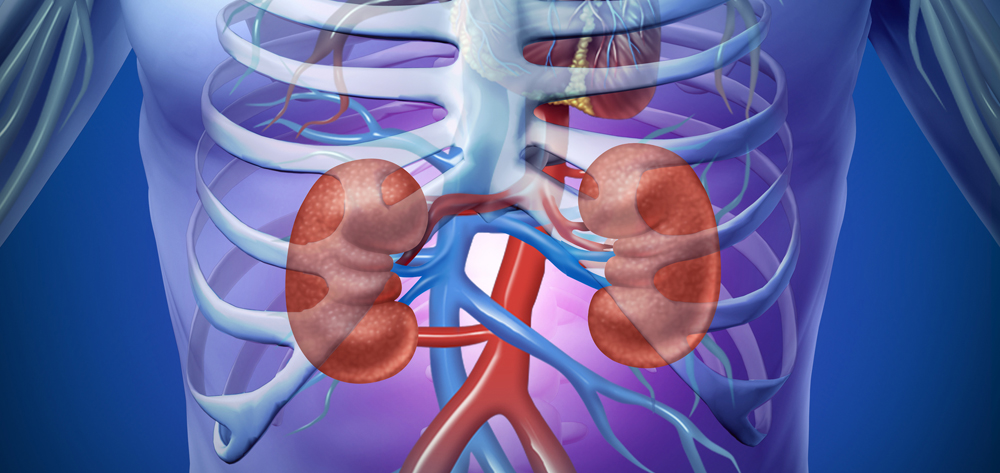
Acute kidney injury: Causes, phases, and early detection
When you arrive for your afternoon shift, you receive report from the day-shift nurse. He states he just admitted Marc Stevens, age 78, after…
What goes up must come down: Hypertension and the JNC-8 guidelines
Essential (primary) hypertension is one of the most important preventable contributors to illness and death in the United States. Frequently termed the silent killer,…
Preventing high-alert medication errors in hospital patients
Mistakes involving medications are among the most common healthcare errors. Medication errors lengthen hospital stays, increase inpatient expenses, and lead to more than 7,000…
Transitional care can reduce hospital readmissions
Avoidable hospital admissions are a key patient safety and quality concern. A significant cause of preventable readmissions is poor communication and coordination of care…
Is this quality improvement or research?
Imagine you’re a nurse working in the emergency department (ED) of a small hospital who wants to reduce medication errors in your department. You…
Using oral care to prevent nonventilator hospital-acquired pneumonia
May Grossman, age 57, is admitted for elective surgery to reverse a colostomy from a previous surgical procedure. Her health has been good except…
Cardiac resynchronization therapy: An approach to reducing heart-failure readmissions
Cardiac resynchronization therapy (CRT) can help reduce readmissions in patients with heart failure (HF). It uses an implanted cardiac device to boost…
Secondary prevention of stroke
Every 40 seconds, a stroke occurs in the United States. This translates to approximately 795,000 strokes annually; of these, about 25% are…
Conversations to inspire and promote a more civil workplace
“I believe we can change the world if we start listening to one another again. Simple, honest, human conversation…a chance to speak,…
Managing delirium in hospitalized older adults
Lawrence Jeffries, age 78, is admitted to the hospital for an arthroplasty of the left hip. A retired roofer, he lives with…
Preventing medication errors by empowering patients
Preventable medication errors cost the U.S. healthcare system more than $21 billion annually, according to the National Priorities Partnership and National Quality…
Boost your confidence in caring for patients with insulin pumps
Beth T, age 42, is a Caucasian female with a 32-year history of type 1 diabetes and a 15-year history of Crohn’s disease.…
Acute kidney injury: Causes, phases, and early detection
When you arrive for your afternoon shift, you receive report from the day-shift nurse. He states he just admitted Marc Stevens, age…
What goes up must come down: Hypertension and the JNC-8 guidelines
Essential (primary) hypertension is one of the most important preventable contributors to illness and death in the United States. Frequently termed the…
Preventing high-alert medication errors in hospital patients
Mistakes involving medications are among the most common healthcare errors. Medication errors lengthen hospital stays, increase inpatient expenses, and lead to more…
Transitional care can reduce hospital readmissions
Avoidable hospital admissions are a key patient safety and quality concern. A significant cause of preventable readmissions is poor communication and coordination…
Is this quality improvement or research?
Imagine you’re a nurse working in the emergency department (ED) of a small hospital who wants to reduce medication errors in your…
Using oral care to prevent nonventilator hospital-acquired pneumonia
May Grossman, age 57, is admitted for elective surgery to reverse a colostomy from a previous surgical procedure. Her health has been…
Poll


NurseLine Newsletter
*By submitting your e-mail, you are opting in to receiving information from Healthcom Media and Affiliates. The details, including your email address/mobile number, may be used to keep you informed about future products and services.