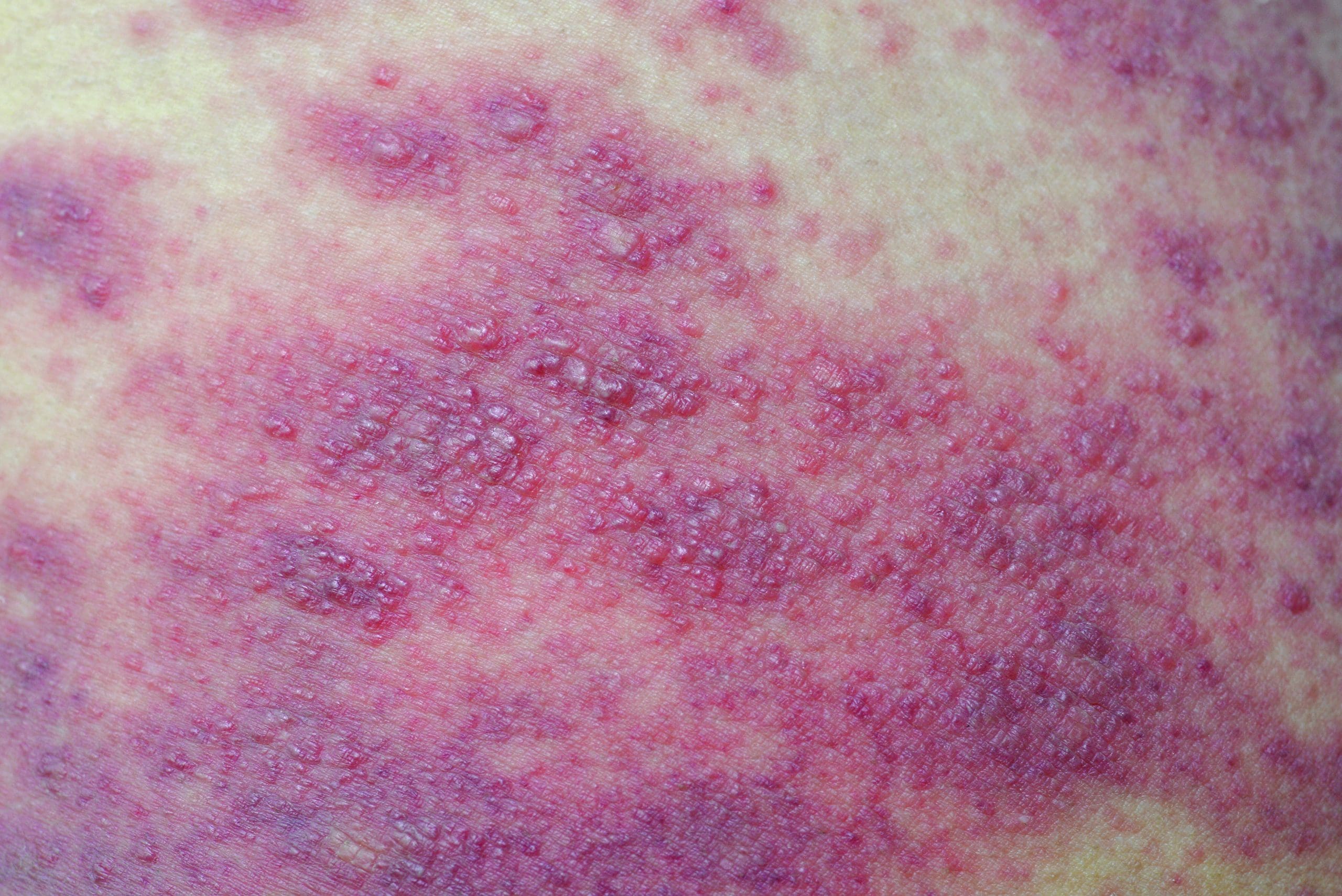
Moisture-associated skin damage (MASD), inflammation and erosion of the skin, results from prolonged exposure to different sources of moisture such as feces or urine,…
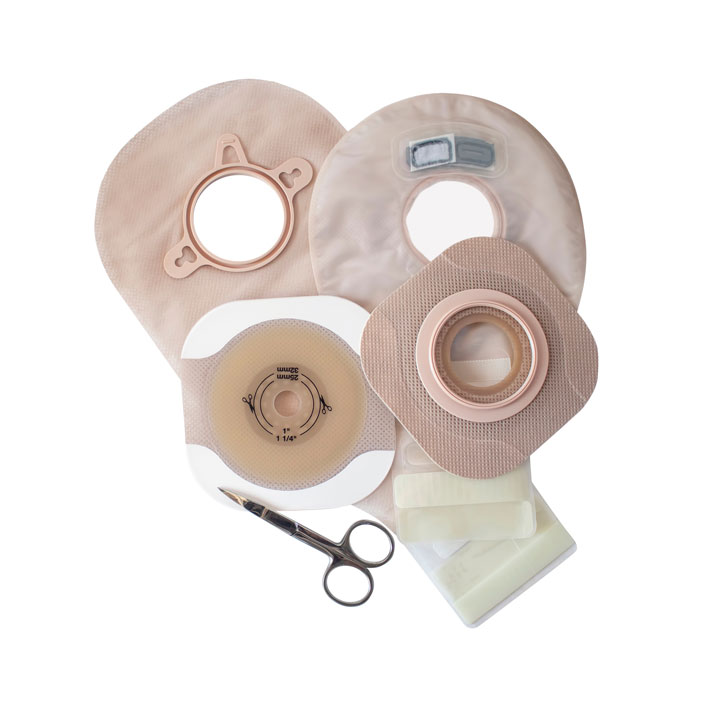
Several myths about ostomies exist, including that they’re malodorous or messy, they interfere with daily activities and hobbies, and they limit quality of life.…
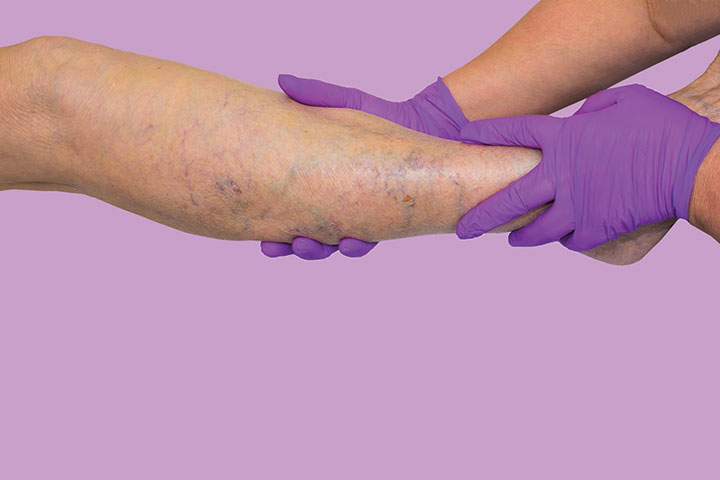
Prompt, proper care will help reduce complications and improve quality of life. Venous ulcers are the most common lower extremity wounds in the United…
The Centers for Medicare and Medicaid Services report that pressure injuries (PIs) affect millions of patients each year, with incidence rates ranging from 2.2%…
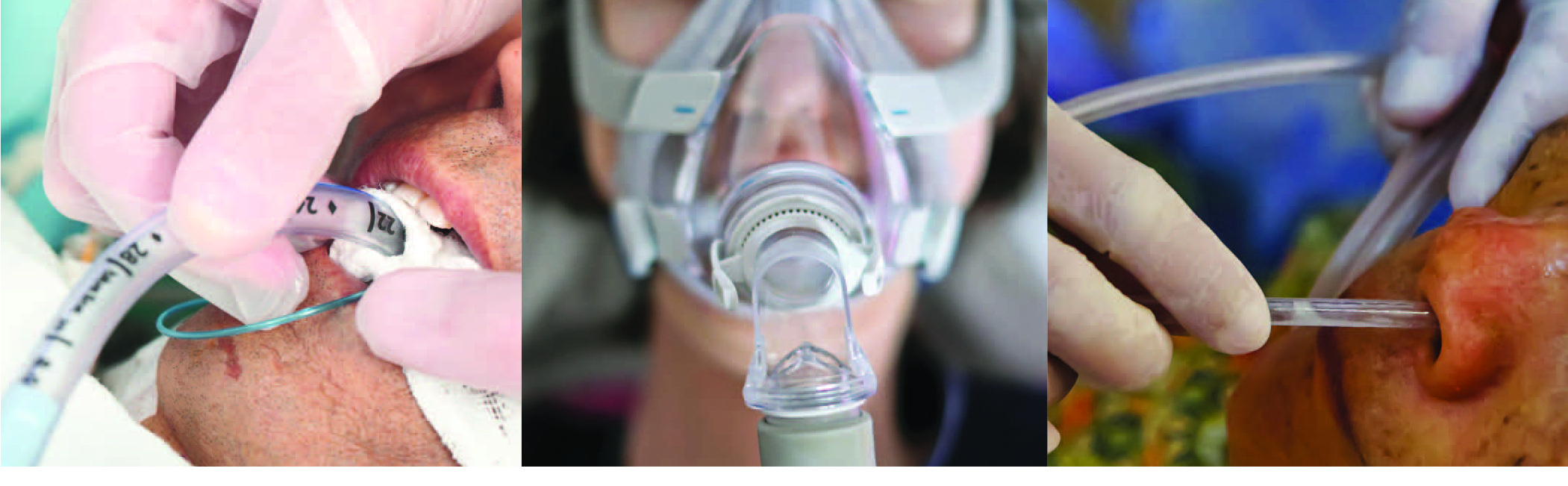
As patient care equipment and technology evolve, medical device-related hospital-acquired pressure injuries continue to capture national healthcare attention. These frequently preventable injuries, which develop…
Evidence-based standards of pressure injury prevention have not changed. However, we reasonably anticipate that unavoidable pressure injury rates may increase during the COVID-19 crisis. …
The Agency for Healthcare Research and Quality (AHRQ) created On-Time Pressure Ulcer Prevention to help nursing homes with electronic medical records reduce the occurrence…
A free webinar hosted by Kelly McFee This session will discuss the implementation of a step by step system-wide pressure injury prevention program that…
NPIAP Panel Members have provided these resources as a convenience to website visitors and for informational purposes only. Once you click on these links,…
Many health care professionals are wearing Personal Protective Equipment (PPE) the majority of the day. There are increasing reports of pressure injuries from masks,…
Moisture-associated skin damage (MASD), inflammation and erosion of the skin, results from prolonged exposure to different sources of moisture such as feces…
Several myths about ostomies exist, including that they’re malodorous or messy, they interfere with daily activities and hobbies, and they limit quality…
The Centers for Medicare and Medicaid Services report that pressure injuries (PIs) affect millions of patients each year, with incidence rates ranging…
As patient care equipment and technology evolve, medical device-related hospital-acquired pressure injuries continue to capture national healthcare attention. These frequently preventable injuries,…
Evidence-based standards of pressure injury prevention have not changed. However, we reasonably anticipate that unavoidable pressure injury rates may increase during the…
The Agency for Healthcare Research and Quality (AHRQ) created On-Time Pressure Ulcer Prevention to help nursing homes with electronic medical records reduce…
Many health care professionals are wearing Personal Protective Equipment (PPE) the majority of the day. There are increasing reports of pressure injuries…