Thank you for entering.

Enter everyday to increase your odds of winning. Good Luck!

Opioid-induced respiratory depression

Risk factors for opioid-induced respiratory depression include impaired rental clearance, high opioid tolerance, and sleep apnea history. Tools for assessing patient sedation levels include Richmond Agitation-Sedation Scale and Pasero Opioid-induced Sedation Scale.
jehovah's witnesses

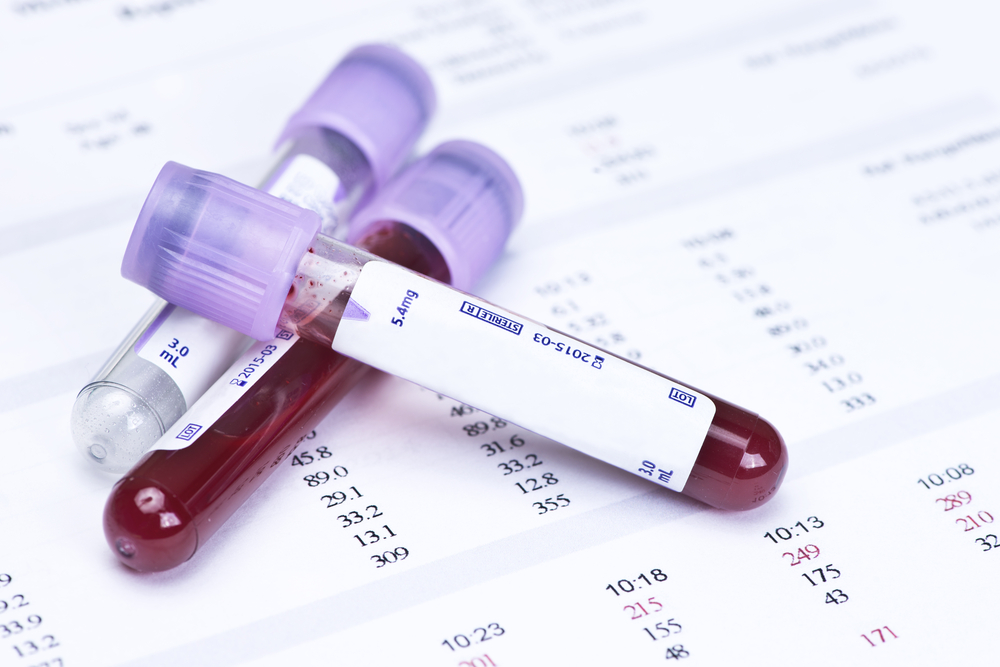
Reducing hemolysis rates

An emergency department’s quality improvement project aims to reduce errors and improve care. Takeaways: Rates of hemolysis decrease with the implementation of proper blood draw procedures. Using venipuncture for blood draws reduces medical errors and improves the patient experience. Reducing…

Correctional nursing’s new professional resource

ANA’s updated standards will be released in fall 2020. Correctional nurses will have an updated professional resource in October 2020 when Correctional Nursing: Scope and Standards of Practice, 3rd Edition, is published by the American Nurses Association (ANA). Enhancements include…
Nurse leaders in demand

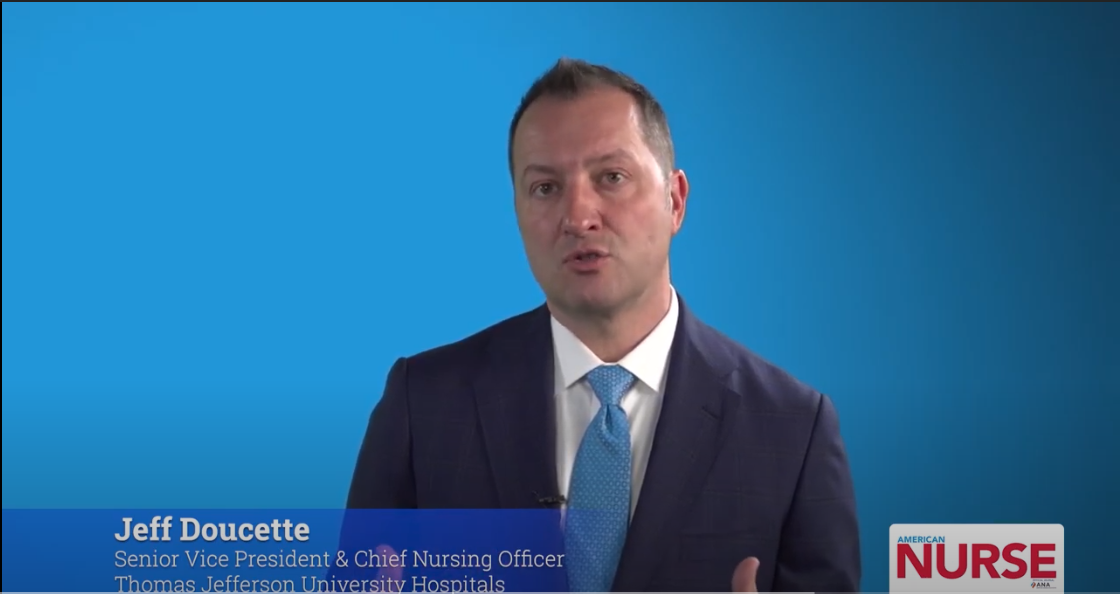
Nurse leaders in demand

Now more than ever, leadership is critical for the nursing community. Listen to Jeff Doucette, SVP & CNO of Thomas Jefferson University Hospitals speak on leadership qualities for the future. (more…)
future-nursing-2020-203-report

Future of Nursing 2020-2030 Report

Good for you, good for the profession The recently released National Academies of Sciences, Engineering, and Medicine report, The Future of Nursing 2020–2030: Charting a Path to Achieve Health Equity, outlines the role nurses can play in creating healthy communities…
Healthy Nurse - Naps

To nap or not to nap?

How to implement planned naps for hospital nurses.  To nap or not to nap? That’s a question we recommend all hospital nurses and administrators ask and answer, especially for nurses working long shifts (12 hours or more). The 2014 American…
Pandemic-Mental-health

Beyond the Pandemic: Be your own nurse

Relieve stress with a self-care plan. Editor’s note: To read other articles in the Beyond the Pandemic series, click here. Takeaways: Lack of resources and the necessary isolation required to protect each other during the pandemic has created distress, which…

Connected health

Connected health technologies continue to change, and nurses are leading the charge using these tools for innovation in healthcare delivery and most importantly, maintaining professional standards to keep their patients safe. (more…)
spirituality

Spirituality and nursing care

The bond between caregivers and the dying Spiritual care in nursing is an important part of overall healthcare, but in the second half of the 20th century, spirituality seemed a victim of the changed attitude toward faith and religion in…
covid-19-leadership

How transformational leaders address fear amid COVID-19

You can provide the guidance nurses need. Editor’s note: This is an early release of an article that will appear in the March 2021 issue of American Nurse Journal.  Takeaways: Transformational leaders empower followers through the practice of idealized influence,…

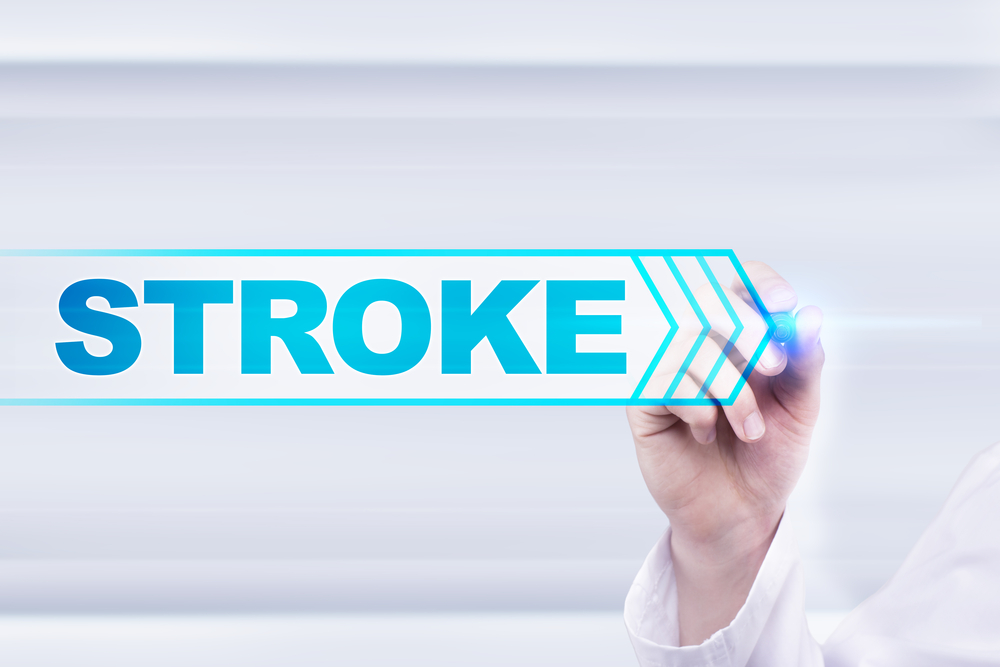
Stroke: Act FAST

The FAST acronym (Face, Arm, Speech, Time to call 911) are critical to recognizing signs of stroke and ensuring quick treatment. The National Institutes of Health (NIH) stroke scale, which provides a numeric score based on assessment results.
nurse talking with patient

Improve the patient experience: STAT

As we emerge from the COVID-19 pandemic, the damage it has left in its path will take years to clean up. Just like with any other catastrophic disaster, the aftermath of the pandemic’s long-term health effects, both physical and psychological,…

Changing a culture through Pathway to Excellence®

Increased nurse confidence can result in improved patient outcomes. Takeaways: Direct care nurses drive nursing excellence using Pathway standards Empowering nurses to have a voice in their practice leads to improved patient care quality, staff satisfaction, and staff retention Leadership…
COVID-19 and palliative care

COVID-19 and palliative care

Primary care symptom management can enhance quality of life and prevent hospitalization.  Takeaways: Early identification and reporting of symptomatic COVID-19 patients in the primary care setting can improve outcomes. Initiating prompt symptom management or palliative interventions can reduce symptom exacerbation,…

7 tips nurses should know about safe patient handling

Following this advice can help protect you and your patients. Takeaways: “Safe patient handling and mobility” is the catch phrase all nurses need to know, not only to foster health in the lives of their patients, but in their own.…
Shortages

Retaining nurses to mitigate shortages

The pandemic uncovered new opportunities to explore flexible staffing options, address organizational policies, and experiment with new care models to leverage nursing expertise and retain new nurses.
suicide

Suicide assessment and follow-up care

Suicide is a preventable and growing public health risk, and nurses are in a prime position to provide assessment and follow-up care. Many nurses lack sufficient education to assess suicide, but a growing body of information is available.