More Critical Care

Cranial nerve assessment, healthcare, registered nurse, nursing, nursing journal

Cranial nerve assessment: A practical approach

Acute and chronic neurologic presentations exist in all healthcare settings. Abnormal findings—subtle or gross—reflect sensory, motor, and reflexive function and have significant implications for nursing care. However, many nurses may find cranial nerve assessment challenging if they don’t perform it…
ICU-vasopressors

Caring for patients receiving vasopressors and inotropes in the ICU

After shock is recognized and I.V. fluid resuscitation is initiated, vasopressors and inotropes are used as supportive therapies in critical care settings. Safe and effective titration of these pharmacologic agents requires that nurses understand shock pathophysiology and hemodynamic monitoring.
FES

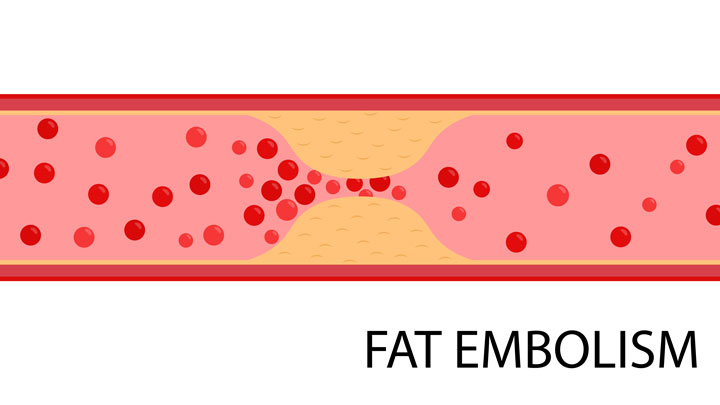
Fat embolism syndrome

Early identification prevents negative outcomes.    Takeaways: Fat embolism syndrome is a rare complication that can occur after traumatic orthopedic injuries. Early identification of neurologic, respiratory, and dermatologic symptoms is critical. Scott Hewlett*, age 28, has been transferred from a critical…
esophageal

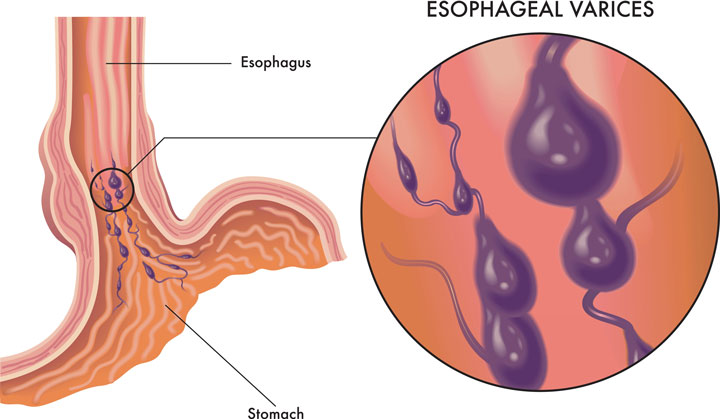
Esophageal varices

Darrel has been drinking 1 pint of whiskey each day for 35 years. He worked in construction until he was terminated for absenteeism. His family reports that he’s reclusive, depressed, and hasn’t sought medical care for many years.   During your…
Medication titration

Medication titration

Editor’s Note:This article has been corrected to reflect accurate information regarding the block charting example. The starting does of dopamine in this scenario is 5 mcg/kg/min. Meeting The Joint Commission standard. Takeaways: The Joint Commission Medication Management Standard states that…