


This special edition of Critical Care Advisor provides you with relevant information that can be used in your practice immediately. American Nurse Journal is committed to delivering authoritative research translated into content that keeps nurses up to date on best practices. Articles are written by nurses…for nurses in all clinical specialties and practice settings. Read on to help maximize patient outcomes.
Critical Care Advisor
"*" indicates required fields
*By submitting your e-mail, you are opting in to receiving information from Healthcom Media and Affiliates. The details, including your email address/mobile number, may be used to keep you informed about future products and services
Critical Care

Preventing organ damage from hypertensive crisis
A recent stroke, a history of hypertension and renal disease, and a sudden surge in blood pressure alert caregivers to a patient’s hypertensive urgency.

Top 10 care essentials for ventilator patients
In a wide variety of settings, nurses are increasingly likely to care for patients on mechanical ventilators. Let’s assume you’re one of them. What…
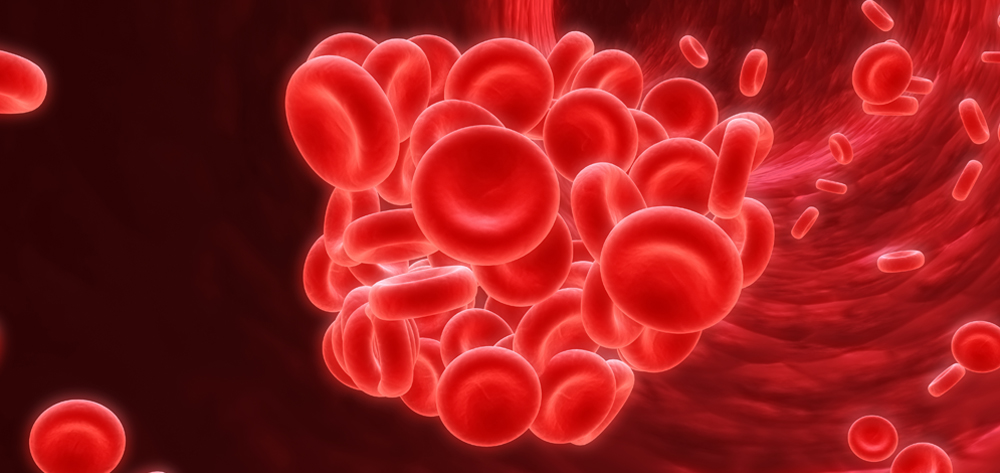
New minimally invasive technique treats acute DVT
Pharmacomechanical thrombectomy removes dangerous clots to restore healthy function in hours.

Emergency nursing: A specialty unlike any other
The president of the Emergency Nurses Association tells why she’s proud to be an emergency nurse.

Never fear—the critical-care resource nurse is here
Creating a critical-care resource nurse role has helped one hospital ensure that critically ill patients get the same level of care no matter where…

Defeating horizontal violence in the emergency department
The authors share how they defused horizontal violence in their ED.

From our readers…How my bad experiences with call lights formed my nursing practice
I have been a critical care nurse since 2008. In our unit, patients have call lights, and of course, patients and families want them…

Understanding pain in patients with intellectual disabilities
Learn how to detect and manage pain in patients who may not respond to pain in expected ways.