Thank you for entering.

Enter everyday to increase your odds of winning. Good Luck!

Implementing evidence-based practice in long-term care

Long-term care (LTC) facilities are faced with many care hurdles, including a growing geriatric population, complexities associated with chronic conditions, and an insufficient workforce. Evidence-based practices (EBPs) facilitated by nurses can bridge the gap between current and best practices and…

Dialing down drama at work

Model the behavior you want to see in your staff. Takeaways: The average staff member spends 2.5 hours a day distracted by dramatic coworkers. Workplace drama erodes trust and contributes to a lack of psychological safety. Leaders must model the…
care-prevent-medical-device-pressure-injuries

C.A.R.E. to prevent medical device related pressure injuries

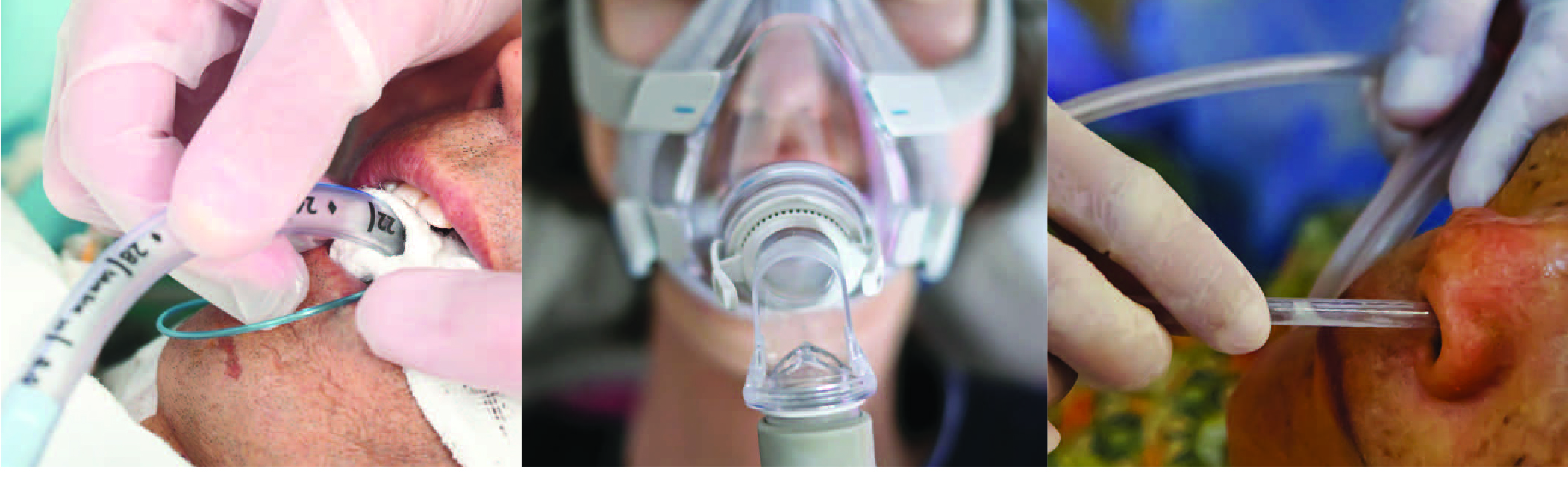
As patient care equipment and technology evolve, medical device-related hospital-acquired pressure injuries continue to capture national healthcare attention. These frequently preventable injuries, which develop during the application of a diagnostic or therapeutic device during hospitalization, can result in a stageable…
oncology

The journey of oncology navigation

Nurse navigators help avoid care fragmentation and support shared decision making. Takeaways: Patient navigation aims to increase health equity among patients with cancer and can be applied in a variety of inpatient and outpatient settings. Navigators, members of the oncology…
Beyond Pandemic Virtual Roundtable

Looking beyond the pandemic: A virtual roundtable

The COVID-19 pandemic is far from over, but many are starting to ponder its lasting effects on nursing. The editorial team at American Nurse Journal wanted to know what leaders in the field are thinking, so we convened a virtual…

Coping with emotional stress

Even before the COVID-19 pandemic began, nurses reported high stress levels. (See Nurses and stress.) Now, healthcare organizations and nurses at all levels are struggling to handle the surge of patients. Nurses are seeing their own friends, families, and colleagues…
rotating peripheral iv catheters

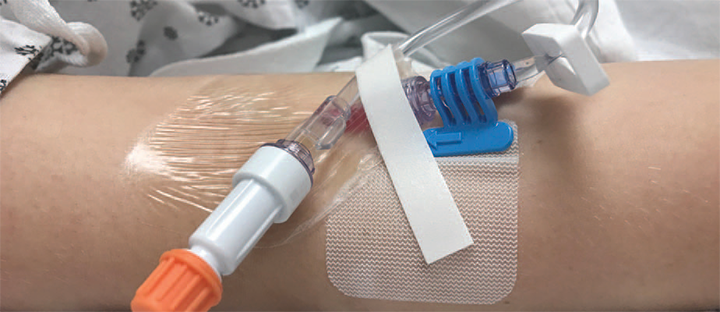
Rotating peripheral IV catheters based on clinical indication

How one hospital used lean methodology coupled with evidence-based practice to update nursing care. Takeaways: Healthcare organizations must strive to update policies to reflect the most current updated standard of practice from the Infusion Nurses Society and rotate peripheral IVs…
can you imagine

My experience on American Nurse Heroes

In a clinical encounter, nurses get to interview a patient, asking them the most private of questions, and with the help of a stethoscope (literally and figuratively), listen to the patient’s inner sounds–the whispers of an ailing or healing body.…

Nurse research and the institutional review board

Learn how the IRB process works to ensure participant safety and quality research. Takeaways: The institutional review board (IRB) process is intended to ensure study participant safety and high-quality research. Work with colleagues familiar with the process to help you…

Metformin-associated lactic acidosis

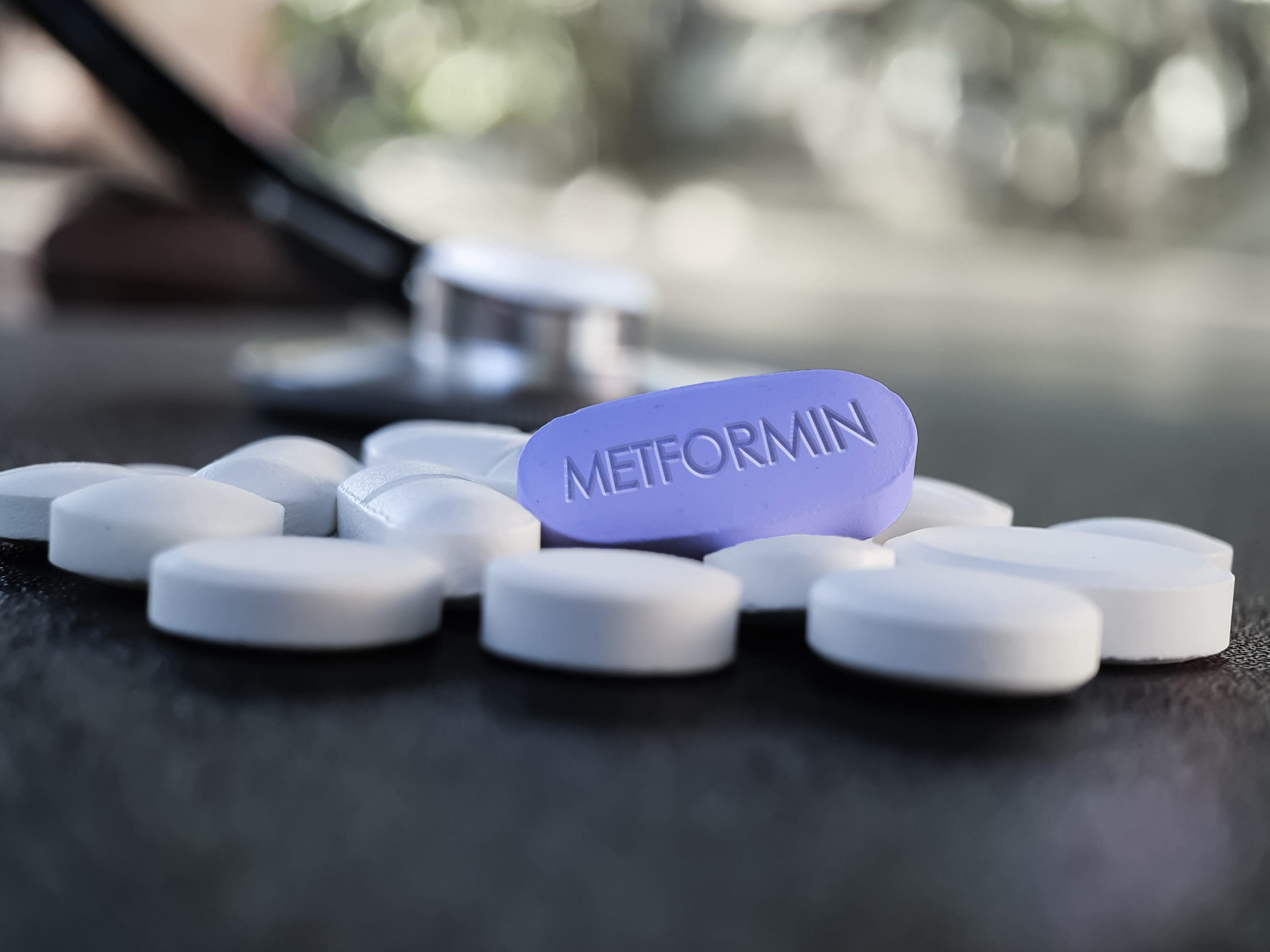
Metformin-associated lactic acidosis is associated with a high mortality rate when treatment is delayed or the patient takes an unintentional overdose. Patients at risk for metformin toxicity include those with impaired renal function, liver disease, and hemodynamic instability.

Cybersecurity awareness

How to protect yourself, your coworkers, and your patients. Takeaways: Healthcare data breaches reached record levels in April 2019, with 44 attacks affecting nearly 687,000 people. Security breaches can lead to serious consequences, including complete system or network shutdown and…

A team approach to STEMI treatment protocols

MOST current ST-elevation myocardial infarction (STEMI) practice guidelines focus on recommendations for patients who present to the emergency department (ED), leaving in-hospital STEMIs overlooked. However, inpatient STEMIs recently received attention as studies have identified this patient population as high risk…
pandemic-end

The pandemic: Is there an end in sight?

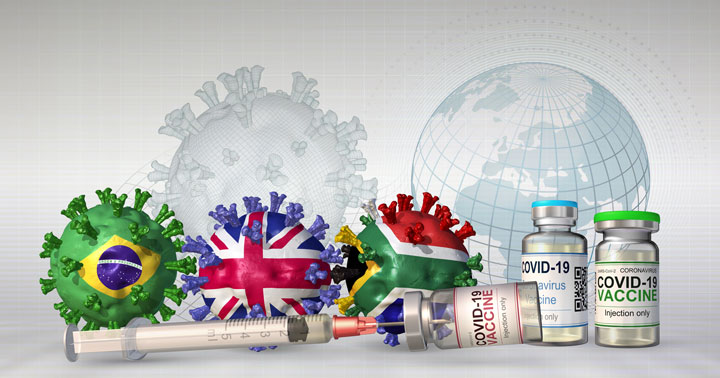
Vaccination is key for a return to normal. We don’t know when the COVID-19 pandemic will end, but it’s unlikely to occur in the immediate future. In the United States, we see progress toward a transition to normalcy during the…