
 Editorial: It’s Alarming

 By Lillee Gelinas, MSN, RN, FAAN, Editor-in-Chief
My elevator experience has given me an interesting new insight into the subject of alarm fatigue, questioning the response time difference between personal alerts and clinical, professional, or environmental ones. For me, it’s alarming.
Personal alerts vs. clinical alarms. Whether you work in the emergency department, an intensive care unit, or a med-surg unit, in an inpatient or outpatient setting, how often do you hear alarms on your shift?
Transcatheter Aortic Valve Replacement

 By Kelly Haight, MSN, APRN, ACNS-BC, PCCN
Transcatheter Aortic Valve Replacement, (TAVR) offers provides an alternative for patients who aren’t candidates for surgical AVR. The author provides an overview of the procedure and patients’ needs.

|
|

Addressing Oral Health Needs of Patients with Diabetes
 By Cynthia S. Darling-Fisher, PhD, FNP-BC; Wenche S. Borgnakke, DDS, MPH, PhD; and Judith Haber, PhD, APRN, BC, FAAN
Patients with diabetes have special needs for oral health assessment and care. The authors include a brief assessment tool that nurses can use to determine risk for periodontitis.
[Read More]
 What you need to know about the new SSI Guideline

 By George Allen, PhD, CIC, CNOR, FAPIC
The Centers for Disease Control, (CDC) recently updated its 1999 guideline for preventing Surgical Site Infections (SSIs).
Here’s what you need to know.
|
|
 Strictly Clinical

Human Papillomavirus Vaccine

 By Michelle Speidel, MSN, RN, N. Ed.
This author discusses the importance of this vaccine and how to discuss it with parents.
|
|
Practice Matters

 Rapid Response Team in a Pediatric Psychiatric Hospital

 By Jessica Hay, MSN, CPNP-AC
Rapid response teams are usually linked with general acute care hospitals, but they have applicability in other settings too.
|
|
From Where I Stand

Secrets, Lies, and Cover-Ups
 By Leah Curtin
When healthcare bills are developed in secret, how do we know what’s true?
|
|
 Practice Matters

From your ANA President:
Global issues are our issues
 By Pamela F. Cipriano
Healthcare quality and access were front and center at the 2017 International Council of Nurses Congress in Barcelona, Spain.
|
|

Assessing the Ethical Climate:
An environmental scan

 By Liz Stokes
Find out what some of your colleagues have to say about ethics in nursing. At the June 2017 American Nurses Association (ANA) Membership Assembly in Washington DC, the Center for Ethics and Human Rights hosted a discussion with participants to assess the ethical climate of current nursing practice and determine needs across the nursing spectrum.
How can we make you more comfortable?
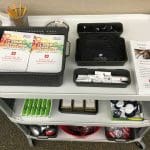
By Ashleigh Anderson, BSN, RN, PCCN, and Amanda Swedhin, BSN, RN, CMSRN
Implementing a Comfort Menu and Pain Cart to enhance use of nonpharmacologic pain management therapies among patients improved patient satisfaction scores.
|
|
Career Sphere

Quality and Safety Education for Nurses (QSEN) to the rescue!
 Quality and Safety Education for Nurses (QSEN) to the rescue!
 By Nadine Marchi, DNP, RN, CCRN, CNE, and Rachel Grdina, BS
The Quality and Safety Education for Nurses (QSEN) Institute provide a wide variety of resources helpful to nurses in both education and practice.
[Read More]
Perioperative nursing in an ambulatory surgery center

By Timothy P. Luckett, CRNFA
Explore the possibilities of this exciting practice setting.
|
|
Leading the Way

 Avoiding Career Derailers
 Avoiding Career Derailers
 By Rose O. Sherman, EdD, RN, NEA-BC, FAAN
Take steps to ensure your career doesn’t veer off track.
[Read More]
|
|
Leadership Insights
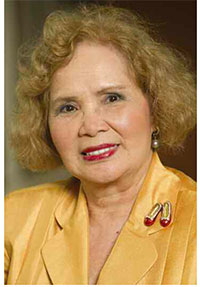
 As this nurse leader explains, communicating with compassion is always the best option.
“Be kind whenever possible, and it is always possible.”
For Rose Constantino, PhD, JD, RN, FAAN, FACFE, the 2016 recipient of ANA’s Jessie M. Scott Award, these words from the Dalai Lama are the ones she lives and leads by in her work as a teacher, researcher, advocate, and mentor.
|
|
|
|
Mind, Body, Spirit

Cognitive rehearsal: A strategy to address incivility and bullying in nursing
 By Joy Longo, PhD, RNC-NIC
The author shares a practical strategy for addressing some difficult situations.

|
|
|
|
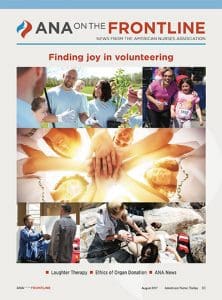
American Nurses Association on the Frontline: Find Joy in Volunteering
 Advantages of altruism: Volunteering has positive impact on nurses’ well-being
- Spreading happiness through therapeutic laughter
- Veenema named Distinguished Nurse Scholar-in-Residence at National Academy of Medicine
- 2017 ANA National Awards: Call for nominations
- Altruistic organ donation
- ANA speaks out against harmful cuts to health care
- Shifting toward family-centered care in ICUs
|
|
Take Note: Drugs and Devices Today
FDA announces new plan to address nicotine consumption

Protecting American Families: Comprehensive Approach
to Nicotine and Tobacco.
Remarks by Scott Gottlieb, M.D. / Commissioner of Food and Drug Administration
July 28, 2017 / White Oak, MD
Tobacco use remains the leading cause of preventable disease and death in the United States. But much has changed in the landscape of tobacco product regulation and FDA’s ability to address this public health crisis.
|
|
 FDA approves treatment for chronic graft versus host disease
The U.S. Food and Drug Administration today expanded the approval of Imbruvica (ibrutinib) for the treatment of adult patients with chronic graft versus host disease (cGVHD) after failure of one or more treatments.
This is the first FDA-approved therapy for the treatment of cGVHD.
|
|
Exhausted by alarms?
Six steps to hospital alarm management.
 Exhausted by alarms?
By Maria Cvach, DNP, RN, FAAN, and Sharon H. Allan, DNP, RN, ACNS-BC, CCRC
- Excessive monitor alarms, many of which are nonactionable, may lead to to alarm fatigue and unsafe practices such as disabling or ignoring alarms.
- The Joint Commission has issued a national patient safety alarm management goal.
- Alarm management requires an interdisciplinary approach and multiple strategies have successfully been used to reduce alarm burden.
- This article describes 6 steps to successful alarm management.
[Read More]
|
|
 Conquering Alarm Fatigue Infographic
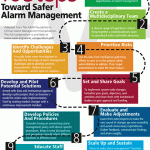
Follow these 10 steps to safer alarm management.
[Read More]